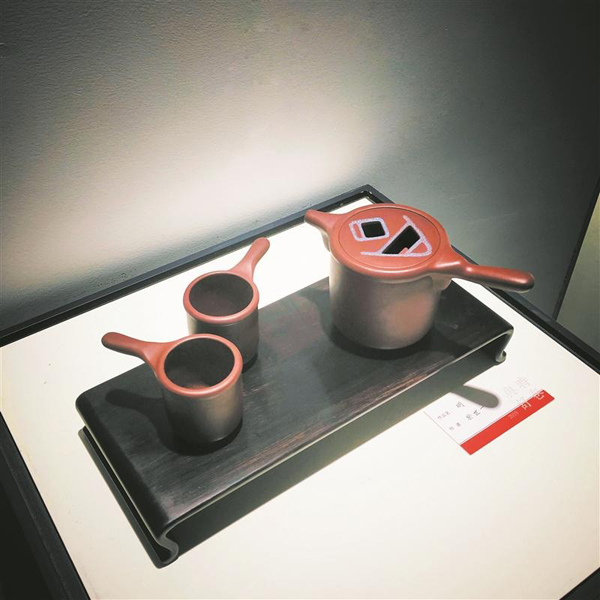
Yixing Zisha Ceramic Making Skills
Introduction
Yixing Zisha Ceramic Making Skills refer to the traditional craftsmanship used to create Zisha (purple clay) ceramics, particularly teapots, in Yixing, Jiangsu province, China. Renowned for their unique material, artistry, and utility, Zisha ceramics have been a hallmark of Chinese tea culture and an embodiment of traditional craftsmanship for centuries. In 2006, this art form was listed as a National Intangible Cultural Heritage of China, underscoring its cultural and historical significance.
Origins and Historical Development
The origins of Yixing Zisha ceramics date back to the Song Dynasty (960–1127), with written records and archeological findings suggesting that potters in the Dingshu town area of Yixing began creating functional clay vessels during this time. By the Ming Dynasty (1368–1644), Zisha ceramics, particularly teapots, had gained widespread popularity due to their exceptional qualities in brewing tea. Prominent scholars and tea connoisseurs, such as Xu Youzhen and Wen Zhenheng, praised Yixing teapots for their aesthetic appeal and ability to preserve tea's flavor and aroma.
The craft flourished during the Qing Dynasty (1644–1912), with renowned artisans like Shi Dabin and Chen Mingyuan elevating the artistry of Zisha ceramics. Their works are now considered masterpieces and are highly sought after by collectors.
Materials and Techniques
Yixing Zisha ceramics are crafted from Zisha clay, a rare and mineral-rich material found in Yixing's clay mines. The clay's porous structure allows teapots to retain tea's flavor and fragrance over time, making them ideal for tea brewing.
Key steps in the crafting process include:
Clay Preparation: The raw Zisha clay is mined, refined, and mixed with water to achieve the right consistency.
Shaping: Artisans use hand-molding techniques, including slab-building and coiling, to shape the teapot or other ceramic objects without a potter's wheel.
Decoration: Intricate patterns, calligraphy, or carvings are often added to enhance the aesthetic appeal.
Firing: The ceramics are fired at high temperatures (around 1100°C) in kilns, solidifying their structure and bringing out the natural color of the clay.
Each Zisha teapot is handcrafted, reflecting the artisan's skill, creativity, and understanding of tea culture.
Cultural Significance
Yixing Zisha ceramics are deeply intertwined with Chinese tea culture. The teapots' ability to absorb the essence of brewed tea enhances the drinking experience, making them cherished items for tea enthusiasts. Beyond their functional value, Zisha ceramics are also seen as artistic treasures, reflecting traditional Chinese aesthetics and values.
These teapots often feature inscriptions of poetry, calligraphy, and seals from the artisans, making them a blend of utility, art, and cultural expression. As such, they are highly regarded both domestically and internationally.
Contemporary Status
Today, Yixing Zisha ceramics continue to be celebrated for their craftsmanship and cultural heritage. The craft has adapted to modern tastes while preserving traditional techniques. Many artisans are recognized as inheritors of the National Intangible Cultural Heritage, ensuring the transmission of these skills to future generations.
Zisha ceramics are also highly valued in global markets, with collectors and tea enthusiasts appreciating their unique properties and artistic qualities. Exhibitions, workshops, and cultural events further promote the tradition, keeping it alive in the 21st century.
Photo Gallery(2 pictures)CategoriesCultural HeritageTagChinese CeramicsIntangible Cultural HeritageCatalogue1. Introduction2. Origins and Historical Development3. Materials and Techniques4. Cultural Significance 5. Contemporary Status- - - []








